A simple daily routine that wakes up your muscles, uses the hour after meals and calms the stress of the day. Every practice is photographed, every one has an easy version, and safety comes first. Written to work beside your medical care, never instead of it.
Instant PDF download · Read on your phone or print it · Secure payment by Razorpay
A simple 15 minute daily routine to wake up your muscles, calm your stress and live well with diabetes
“Do some exercise,” the doctor says. Nobody shows you how.
You nod. You mean it. But the day is busy, the knees are stiff, and the word exercise sounds like a gym you will never join.
Here is the good news: you do not need to become a fit person. Your muscles are the biggest users of sugar in your body, and they work best with small, gentle movement, done often, at the right times of day.
This book does not ask for hard. It asks for often. About 15 minutes, spread through your day, on a chair, beside a kitchen counter or on a mat.
Food and medicines matter, so keep every one of them. This book adds the part that is easy to forget: what your body does around them.
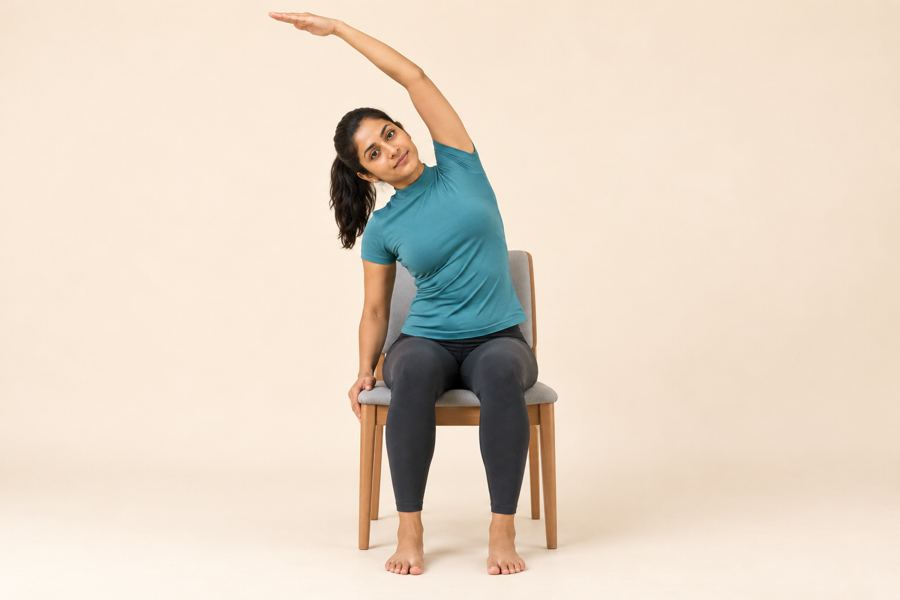
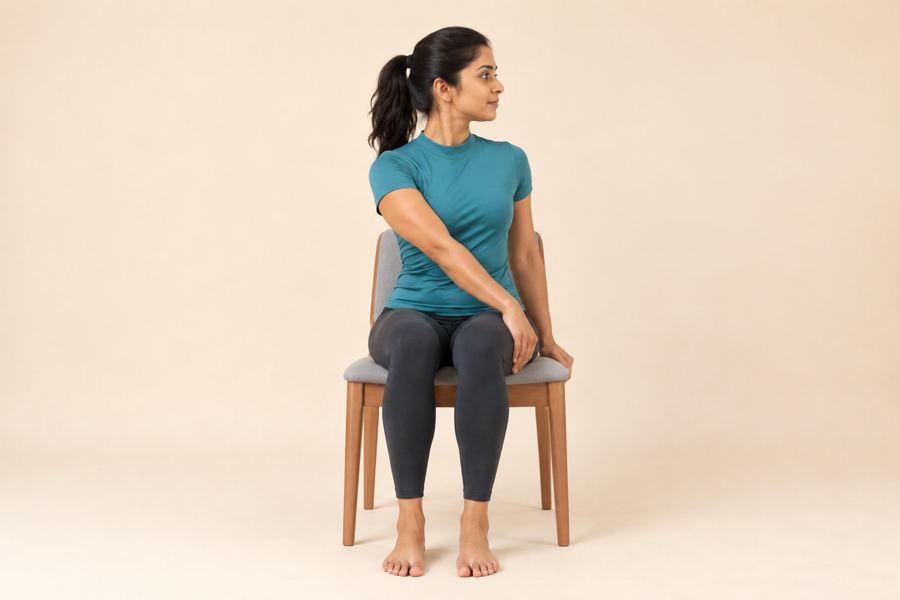
Wake up the “sugar sponge” in your muscles with five chair moves in the morning and three gentle strength builders a few times a week.
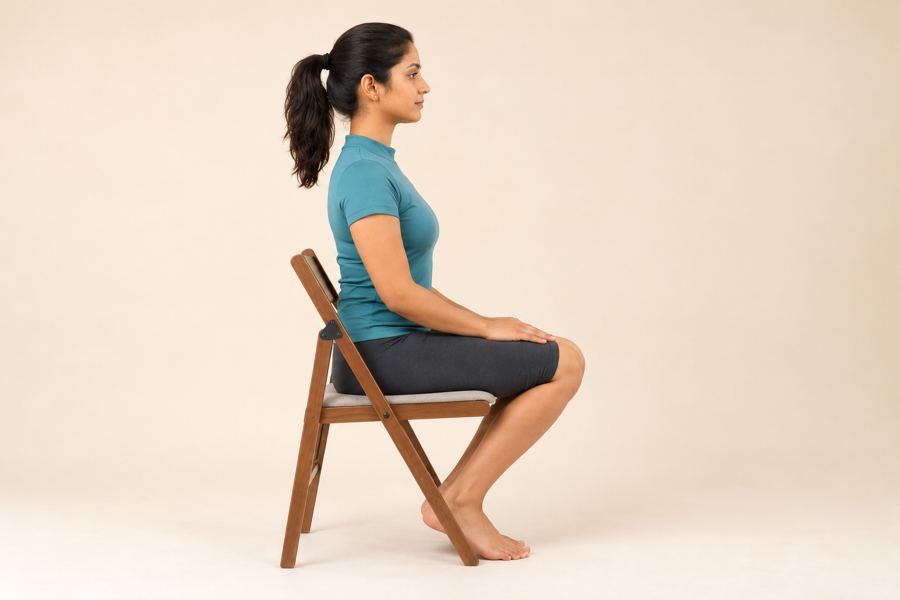
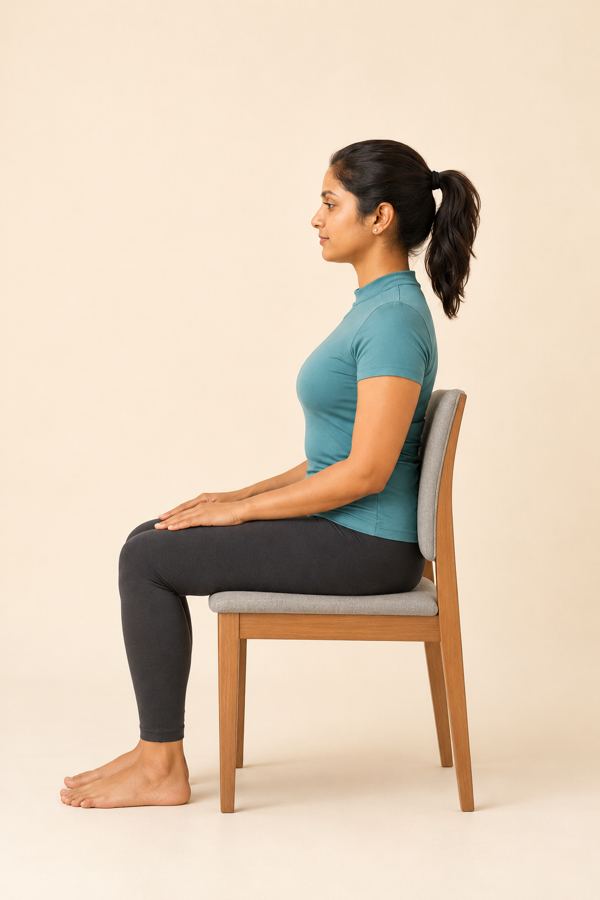
Use the hour after your biggest meal: a few quiet minutes sitting upright in Vajrasana or on a chair, then an easy ten minute walk.
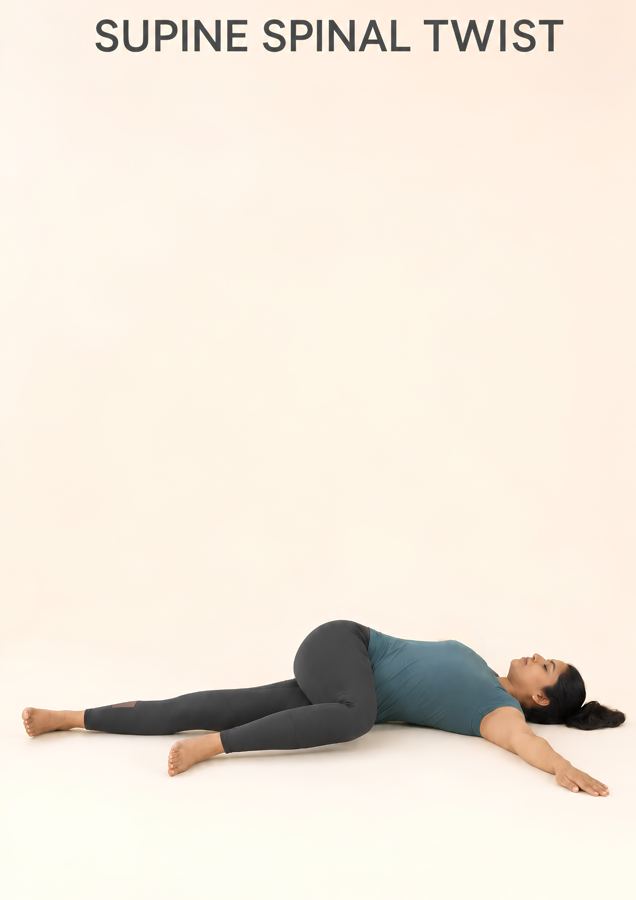
Turn down the stress alarm with slow breathing and gentle evening movements that help you wind down for sleep.
Three short windows, plus strength on two or three days a week. Every line has a version that needs no floor and no kneeling.
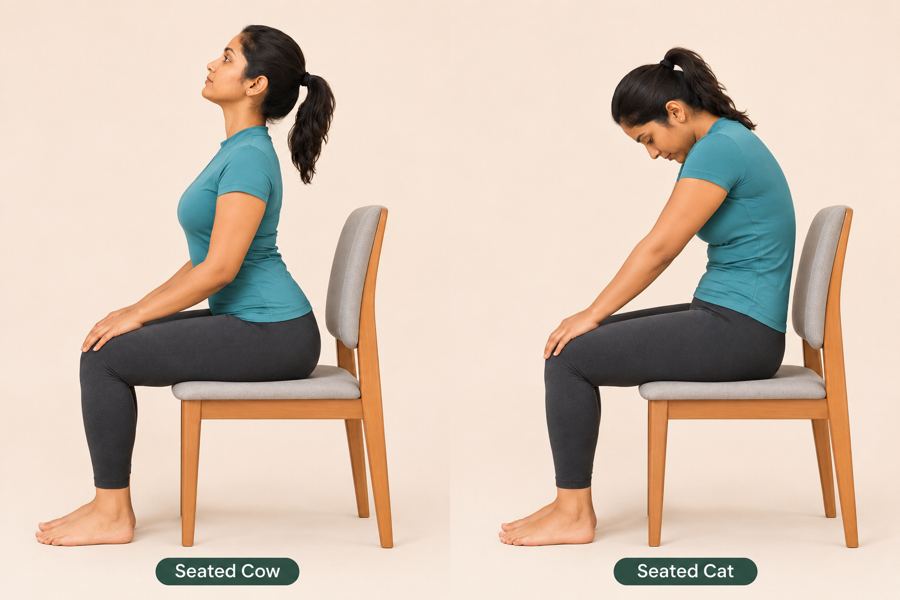
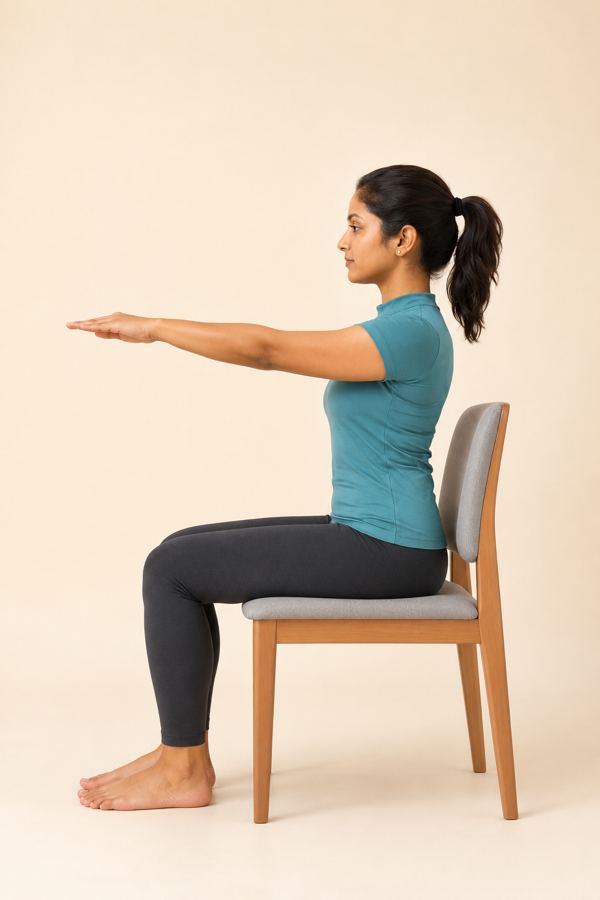
Five moves on a chair to switch the body on after the stillness of the night.
All on a chair. No mat, no getting down, no special clothes.
Sit well, then walk. The simplest habit in the book, and the one many readers keep.
Kneeling not right for you? The chair version works just as well.
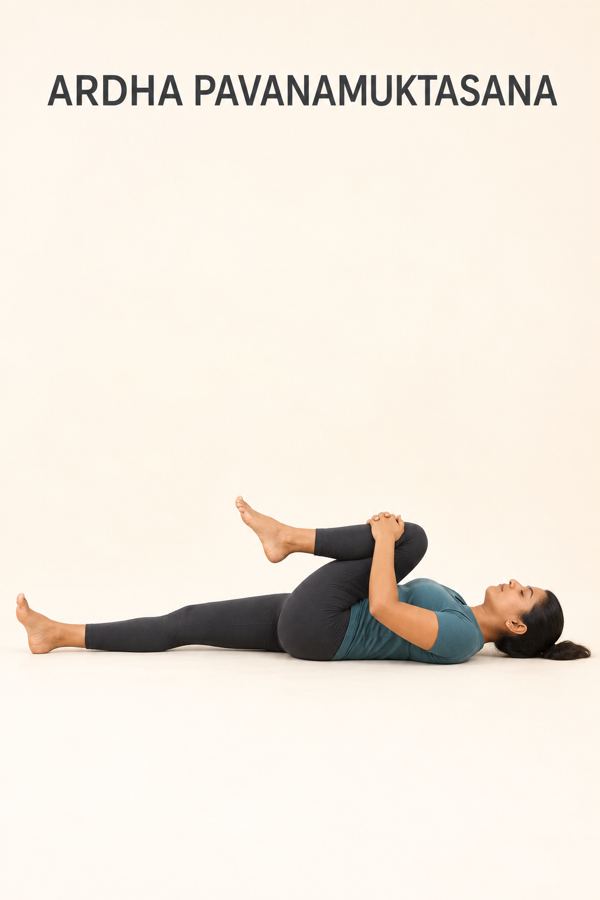
Tell your body the day is over, so sleep comes more easily.
Floor not safe for you? Do the breathing on the edge of your bed.
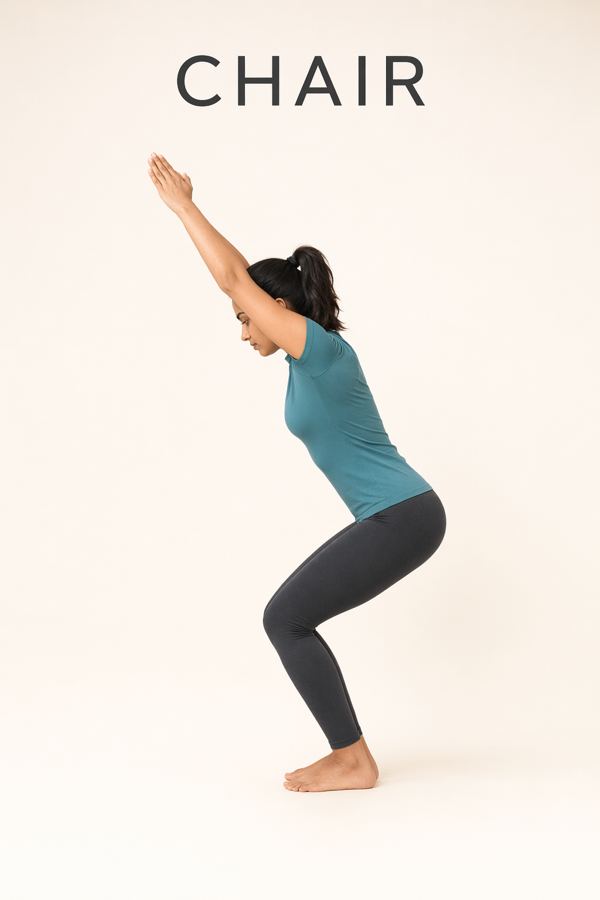
Your thighs, hips and back hold most of your muscle. Three gentle moves help them grow a little stronger.
Easier version: stand up from a chair slowly, five times.
Clear pictures and short, numbered steps, so you can follow along on your phone without guessing.


Eight short chapters you can read in an evening, and use every day after.
Tick each window as you go. Look for trends, not single numbers, and take your notes to your next appointment.
Your whole 15 minutes on a single page to keep where you practise.
What to do on a long sitting day, a stressful day, or if you feel shaky during practice.
The general advice follows the American Diabetes Association and ICMR guidance, listed at the back.
Yoga is gentle, but diabetes asks you to be prepared. That is why the safety chapter comes before the practice.
The signs to watch for and the simple “15 rule”, with Indian emergency numbers 112 and 108.
Daily checks, what to practise on, and when not to stand or kneel at all.
No breath holding and no head below the heart anywhere in the book, which suits eye and blood pressure concerns.
Yoga works beside your treatment, not instead of it.
One small price. A routine you can start in the next five minutes.
It is an illustrated ebook in PDF format, with a photograph for every practice. You can read it on your phone, tablet or computer, or print it.
No honest yoga book can promise that, and this one does not. It teaches a gentle, regular practice that sits beside your treatment. Never change your medicines on your own; your doctor will guide your readings and treatment.
Yes. Every practice has a chair version. You move slowly, do fewer repetitions and stop well before any pain. The chair routine and the after meal walk alone make a complete daily practice. Please check with your doctor before starting.
The book never asks you to hold your breath or put your head below your heart, and it tells you which moves to adapt. Please speak to your doctor first, especially if your blood pressure is not under control or you have heart, eye or kidney disease.
The safety chapter explains how to prepare: practise at a similar time each day, keep a fast sugar within reach, check your sugar when you start, and tell your doctor about any lows.
Your download link appears right after payment and is also sent to your email. If anything goes wrong, write to us and we will send it again.
Yes. Buy it, then forward the PDF to your parent or loved one on WhatsApp or email.
English for now.
Fifteen gentle minutes a day, alongside the care your doctor provides. Start with the chair routine tonight.